
Immersive Journeys: Travel That Changes You, Not Just Your Location
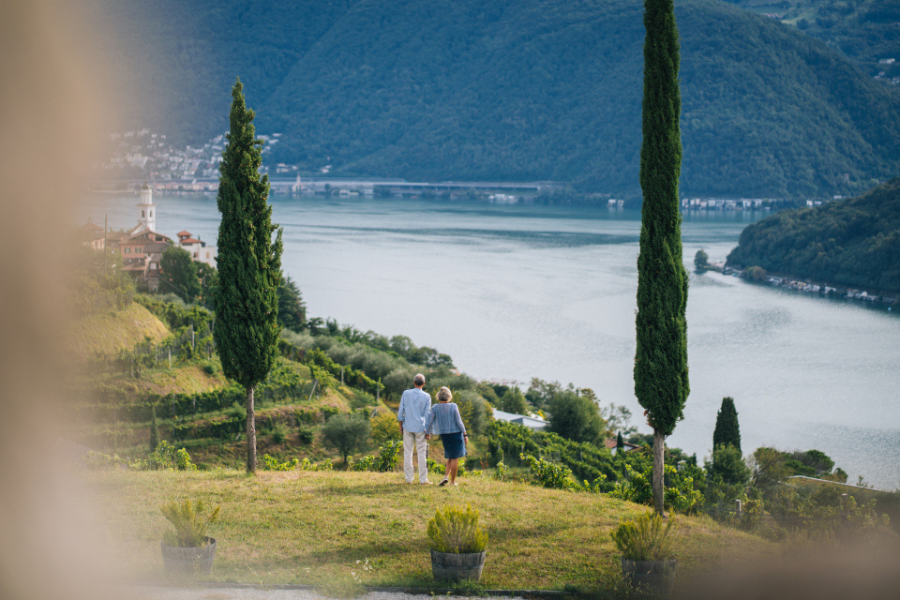
For many travellers, the meaning of luxury is shifting.
In 2026 and beyond, it’s no longer defined by how far you travel or how much you fit in. Instead, the most rewarding journeys are shaped by depth, connection and understanding - travel that allows you to slow down, engage more deeply, and return home with a richer perspective.
This is the essence of immersive travel.
Immersive journeys move beyond sightseeing. They are thoughtfully curated experiences designed to connect travellers with culture, people, landscapes and stories - unhurried, considered, and rich in meaning.
What Is an Immersive Journey?
An immersive journey isn’t defined by a destination alone. It’s defined by how you experience it.
These journeys favour:
Time over speed
Understanding over observation
Participation over passivity
They invite travellers to step inside a place - to listen, learn, taste, walk and engage - rather than simply pass through it.
Often, immersive travel includes smaller groups or private experiences, local experts who bring context and insight, and pacing that allows space for reflection. It’s travel designed not just to impress, but to resonate.
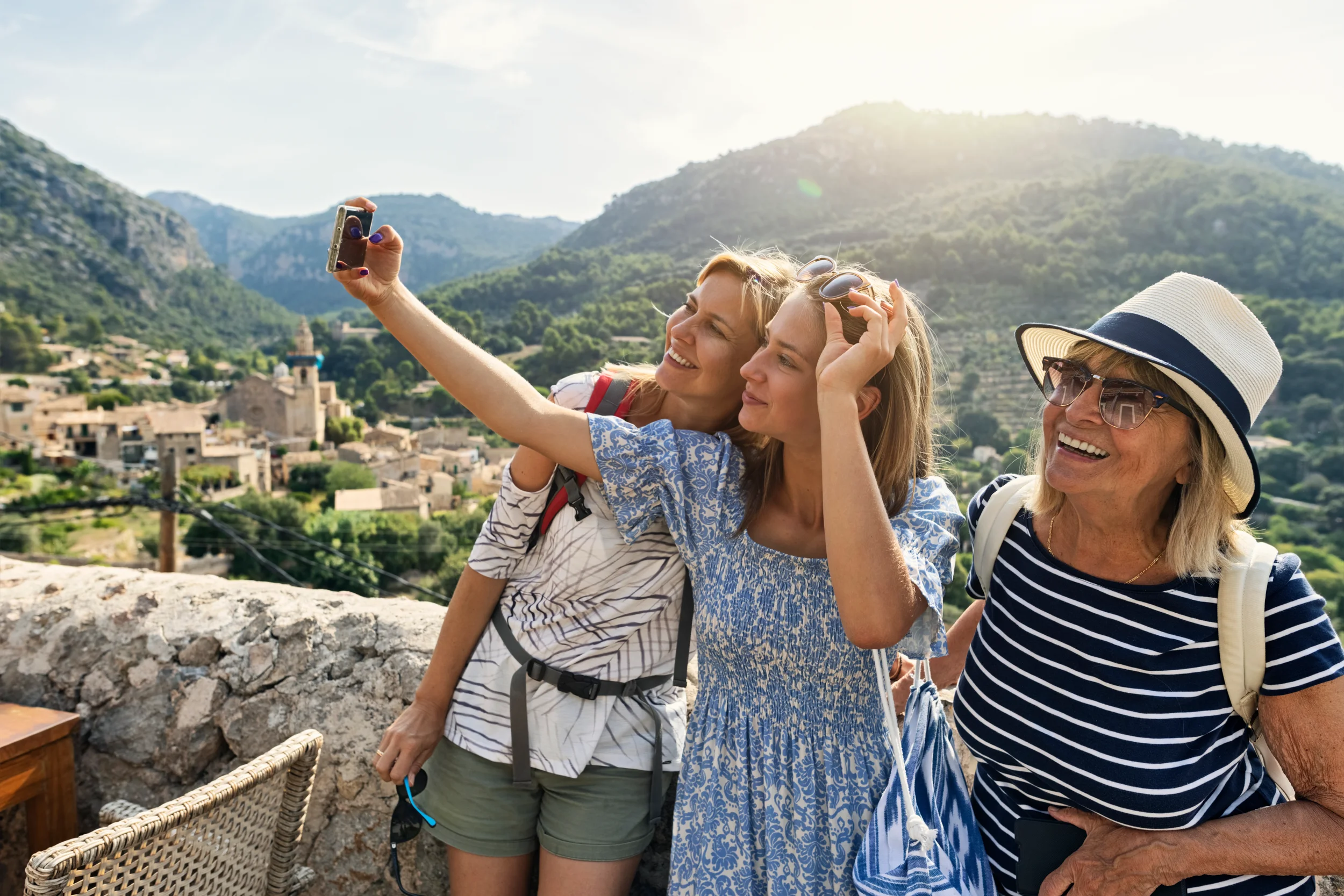
A selfie moment at a scenic mountain lookout.
Why Travellers Are Choosing Immersion
Experienced travellers are increasingly seeking journeys that feel personal and purposeful.
Many have already seen the icons. What they want now is:
A deeper sense of place
Genuine cultural connection
Experiences shaped around their interests, not a checklist
Immersive journeys meet this desire by replacing rigid schedules with room to linger - to notice detail, ask questions, and truly absorb what makes a destination unique.
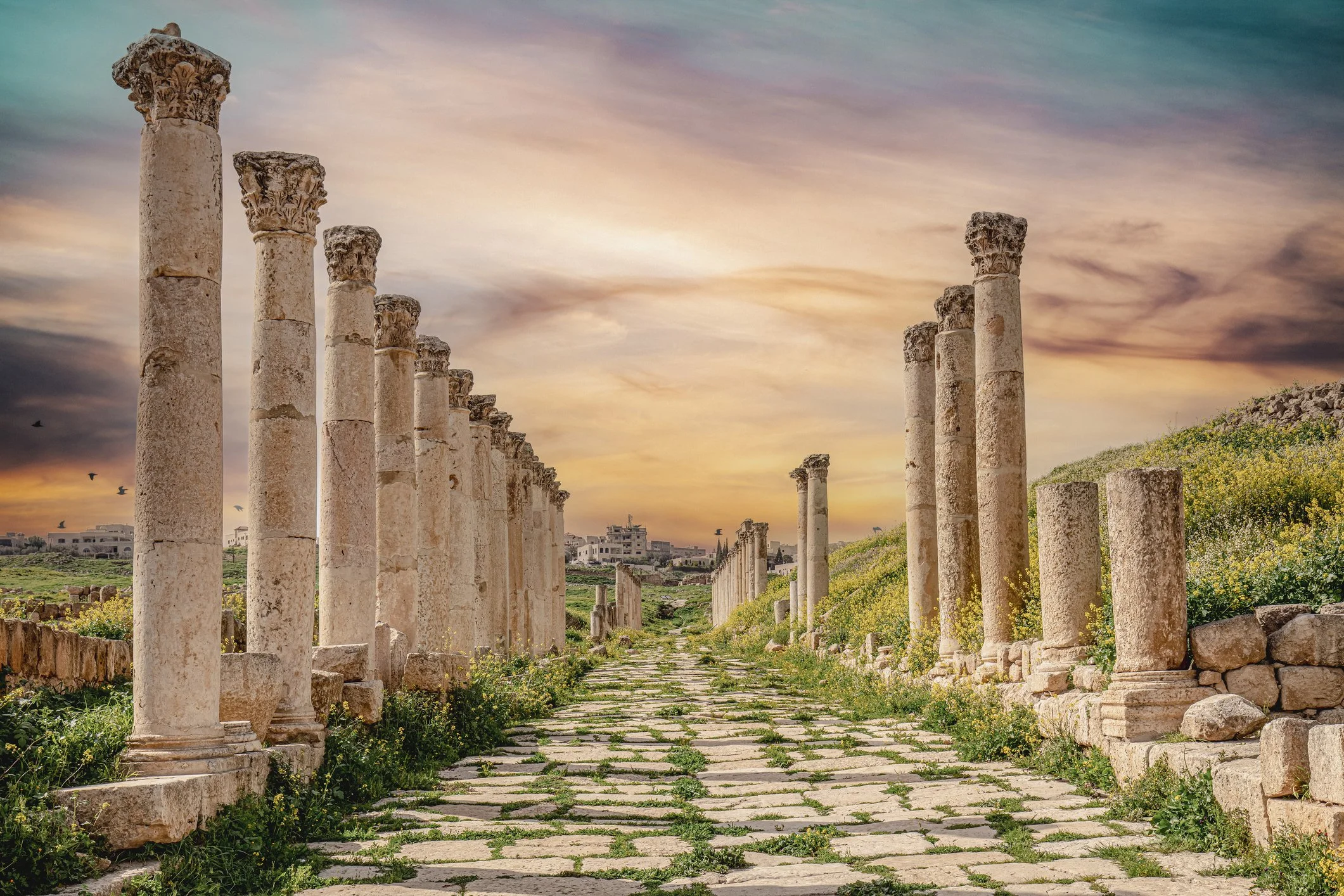
Sunset over the ancient colonnaded street of Jerash, Jordan.
What Immersive Journeys Look Like in Practice
Immersion takes many forms, but certain experiences naturally encourage deeper engagement.
When the journey itself matters
Travelling slowly - by rail, river or sea - allows landscapes to unfold gradually. Context builds, conversations deepen, and the journey becomes as meaningful as the destination.
Learning-led travel
Journeys guided by historians, naturalists or cultural experts offer insight that transforms what you see into what you understand. These experiences add depth, perspective and lasting relevance.
Culture before crowds
Thoughtful timing - early mornings, quieter seasons, private access - reveals destinations at their most authentic, before they’re shaped by mass tourism.
Fewer places, experienced well
Longer stays encourage connection. Settling into a rhythm allows travellers to explore beyond the obvious and engage more meaningfully with local life.
Remote and remarkable landscapes
Some of the most immersive journeys take place far from the familiar. These environments foster perspective, humility and a lasting sense of wonder.
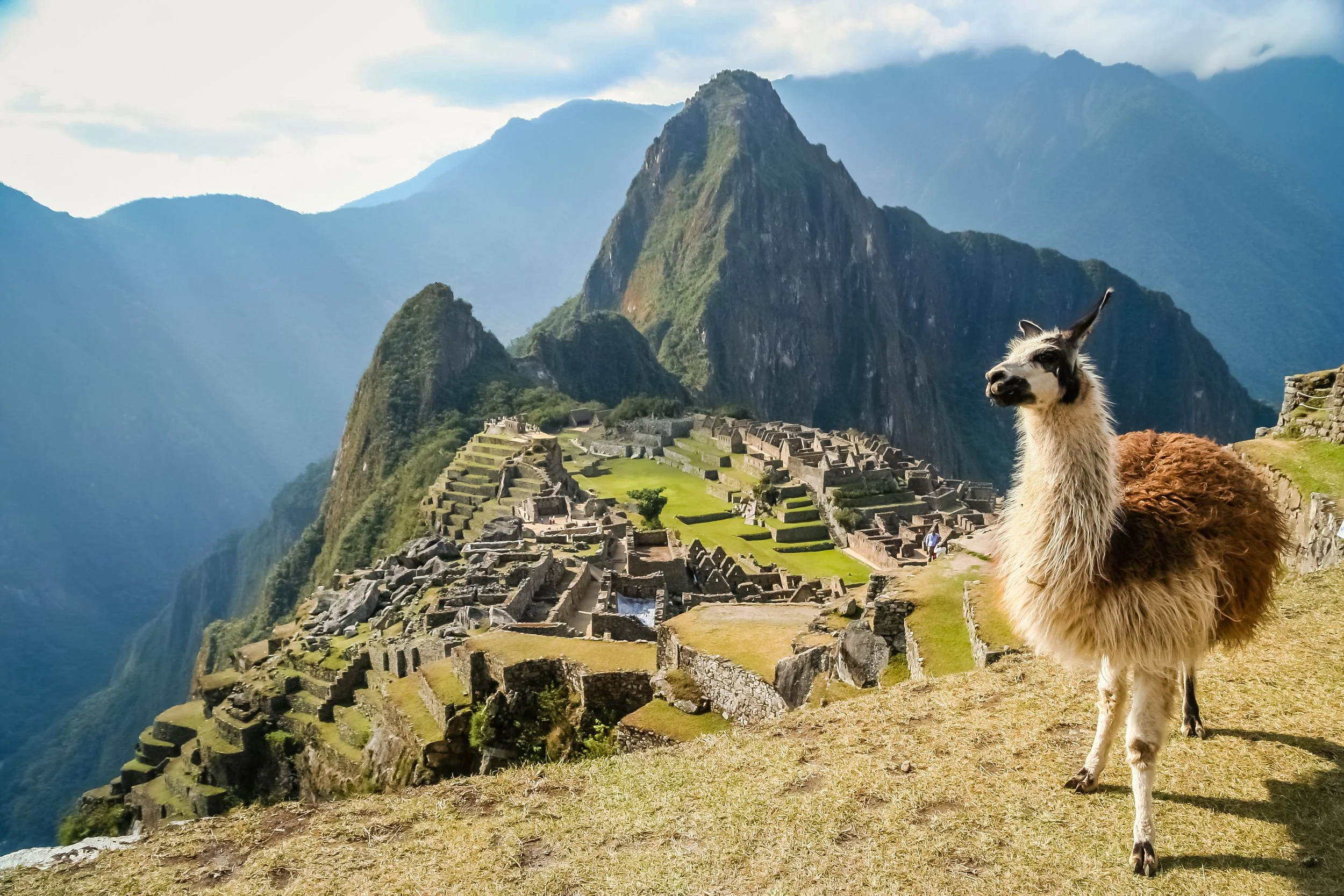
A llama overlooks Machu Picchu in the Peruvian Andes.
The Role of Curation
Immersive travel doesn’t happen by chance.
Behind every seamless journey is careful planning - the right partners, thoughtful pacing, and a clear understanding of what will resonate most with each traveller.
Curation is what ensures journeys feel effortless yet deeply considered, matching the right traveller to the right experience and knowing when to slow down to allow a place to reveal itself.
A More Meaningful Way to Travel
Immersive journeys offer something increasingly rare: travel with presence and purpose.
They remind us that the most powerful moments aren’t always the most photographed, but the ones that quietly stay with you - shared meals, unfolding landscapes, unexpected insight.
For travellers seeking experiences that linger long after they return home, immersion isn’t a trend. It’s a more meaningful way to explore the world.
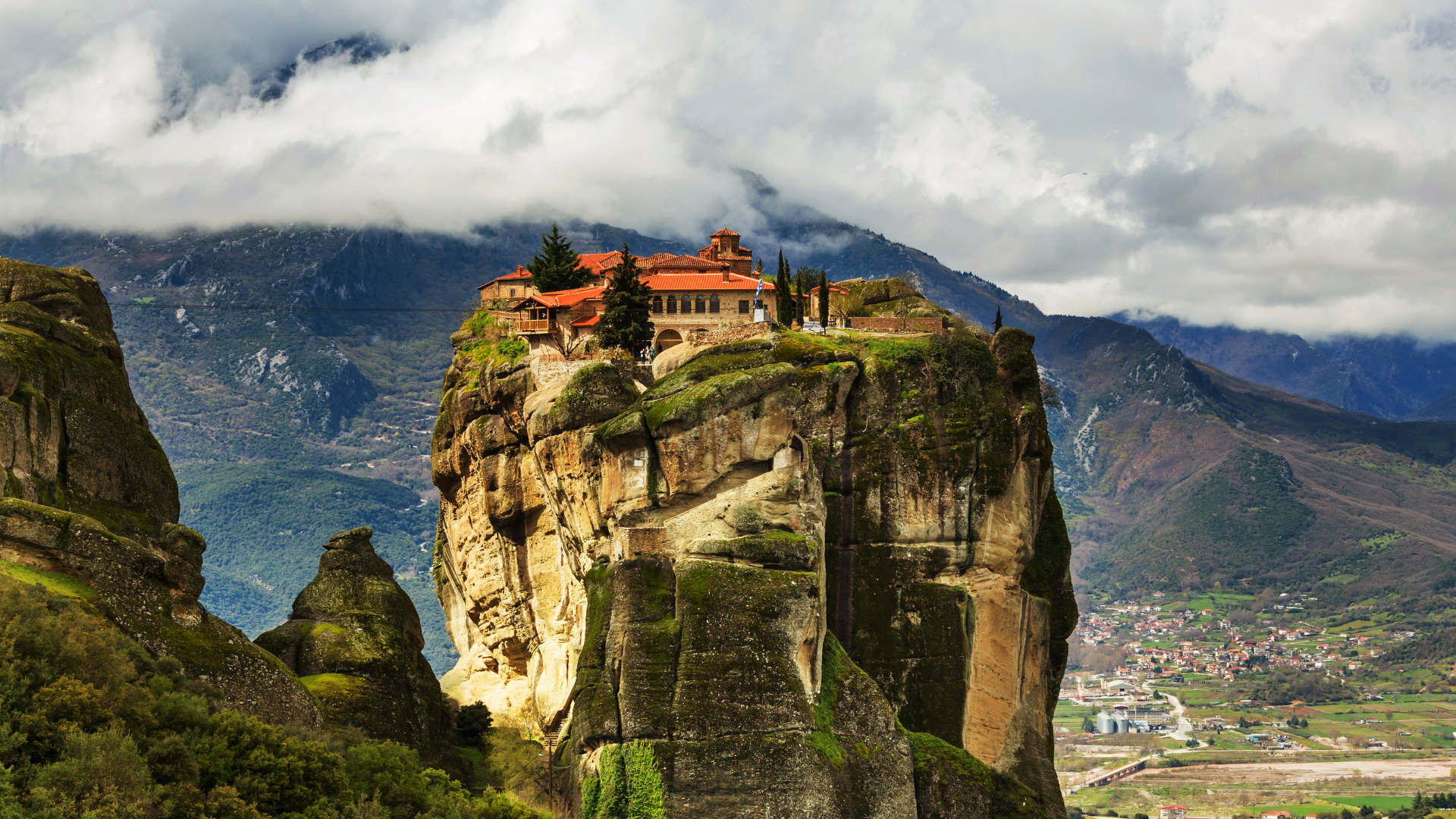
Meteora’s centuries-old monasteries sit atop towering sandstone pillars in central Greece.